
Stop Smoking Programme UK: What Works?
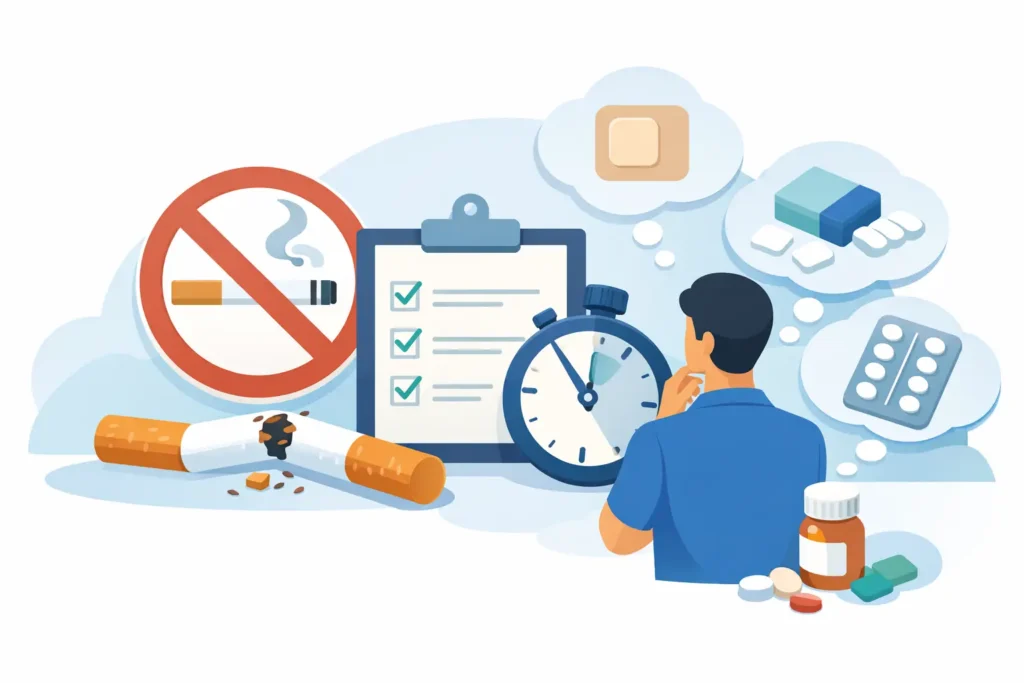
You do not need another lecture about smoking. If you are searching for a stop smoking programme UK options can actually help with, there is a fair chance you have already tried patches, gum, apps, vaping, cutting down, and promising yourself that this packet will be the last. The frustration is rarely a lack of information. Most smokers already know the risks. The real problem is that smoking is not just a habit of the hands. It is often tied to stress, routine, identity and emotional relief.
That is why some stop smoking approaches feel harder than they should. They ask you to fight urges every day with sheer determination, while the deeper pattern stays in place. For some people, that works. For many, it becomes exhausting.
What a stop smoking programme UK smokers actually need
A useful stop smoking programme UK adults can rely on needs to do more than tell you to stop. It should help you change your response to cravings, break the links between smoking and daily triggers, and strengthen your sense that being a non-smoker is normal, not a daily battle.
That matters because smoking is often woven through ordinary moments. First coffee. School run. Work break. Driving home. Wine in the evening. If a programme does not deal with those associations, stopping can feel like losing your coping system rather than gaining your freedom.
The best support is practical, structured and realistic. It also respects that people quit for different reasons. Some are worried about health. Some are tired of the smell, the cost and the control cigarettes seem to have over them. Some are simply fed up with feeling that they have to rely on something outside themselves.
The main types of stop smoking support in the UK
In the UK, stop smoking help usually falls into a few broad categories. There are NHS and local authority services, nicotine replacement products such as patches or gum, prescribed medications, vape-based quit plans, and private therapeutic support including hypnotherapy.
Each can help, but they do not work in exactly the same way.
NHS and pharmacy-led programmes are often built around behavioural advice and nicotine replacement. They can be a solid starting point, particularly if you want medical guidance or have health concerns that need monitoring. They tend to work best for people who like clear milestones and regular check-ins.
Medication can reduce cravings for some people, but it is not suitable for everyone. Side effects, medical history and personal preference all matter. A treatment that helps one person feel steady may leave another feeling unlike themselves.
Vaping is used by some smokers as a step away from cigarettes. For certain people, it reduces harm and helps them break with smoking. For others, it keeps the dependency pattern alive because the hand-to-mouth habit, the inhaling, and the psychological reliance remain in place.
Hypnotherapy takes a different route. Rather than focusing only on managing cravings at surface level, it works with the unconscious patterns that keep smoking attached to comfort, relief or routine. That is why many people who have struggled with willpower find it feels surprisingly natural.
Why willpower alone often runs out
Most smokers have not failed because they are weak. They have failed because they tried to use conscious effort against an unconscious habit.
If smoking has become your brain’s shortcut to calming down, switching gears or rewarding yourself, then stopping can trigger resistance even when you genuinely want to quit. One part of you wants freedom. Another still believes cigarettes are helping. That inner tug-of-war is what drains energy.
This is where a lot of stop smoking advice misses the point. It treats smoking like a simple decision when, for many people, it has become an automatic response.
When that automatic response changes, quitting does not have to feel like a constant deprivation exercise. It can feel more like stepping out of an old pattern that no longer fits.
How hypnotherapy fits into a stop smoking programme UK clients choose
For people who are ready to stop and want support that goes beyond nicotine replacement, hypnotherapy can be a powerful part of a stop smoking programme UK clients feel comfortable committing to.
The aim is not to force you into change. It is to help make change easier. In a hypnotherapy session, you remain aware and in control, but in a focused and relaxed state where the mind is often more receptive to new responses. This allows work to happen at the level where habits are stored and repeated.
In practical terms, that may mean weakening the emotional pull of cigarettes, reducing the sense of loss, and reinforcing a stronger identity as a non-smoker. It can also help with the stress, anxiety or situational triggers that have kept smoking in place.
This is particularly helpful for people who say things like, “I know I should stop, but I still reach for a cigarette when I’m stressed,” or “I can stop for a few days, then something happens and I’m back on them.” The issue is not knowledge. It is the underlying association.
At Jennie Francis Hypnotherapy, this kind of work is centred on practical change. The focus is not endless analysis. It is helping clients move from feeling stuck to feeling free, often within a relatively contained number of sessions.
What to look for before choosing support
Not every quit-smoking service suits every person. That is worth saying clearly, because the right choice depends on what has tripped you up before.
If your main challenge is physical nicotine withdrawal, medical support and nicotine replacement may be a sensible route. If you smoke heavily in response to stress, boredom, social pressure or emotion, you may need something that addresses the behavioural and psychological side more directly.
It is also worth asking whether you want a group model or one-to-one support. Group programmes can be motivating, but some people do far better in a private setting where they can talk honestly about why they smoke and what happens when they try to stop.
Experience matters too. Smoking cessation is not just about reading from a script. It takes skill to identify the real drivers behind the habit and tailor the approach to the individual. A smoker who lights up from panic feels different from one who smokes from routine, and both need to be treated accordingly.
What to expect when you are ready to stop
The best time to begin is usually when you are genuinely ready for change, not when you are being pushed into it by someone else. Pressure from a partner, children or doctor can act as a wake-up call, but lasting change tends to happen when the decision becomes your own.
That does not mean you need to feel perfectly confident. Many people begin while still feeling doubtful, simply because they are tired of living around cigarettes. Readiness is less about feeling fearless and more about being willing.
When support is well matched, people often notice benefits quickly. Breathing feels easier. Mornings feel cleaner. There is relief in not planning the day around smoking breaks, packets, lighters or excuses. The mental shift can be just as powerful as the physical one. You stop seeing yourself as someone trying not to smoke and start seeing yourself as someone who simply does not need it.
There may still be moments of habit memory, especially around old routines, but those moments do not have to pull you back in. That is the difference between white-knuckling your way through and making a deeper change.
Is hypnotherapy right for everyone?
Not always. If someone does not want to stop, no technique is likely to create lasting change for them. And if nicotine dependence is severe, it may help to combine therapeutic work with medical advice. This is not about pretending one approach suits all.
But for many adults who have tried to quit before and are tired of battling themselves, hypnotherapy offers a more comfortable and often more effective route. It can feel less like punishment and more like relief. Instead of spending every day resisting cigarettes, you work to remove the need that keeps pulling you back.
That difference matters. People are far more likely to succeed when the process feels supportive rather than grim.
If you are weighing up your next step, choose the form of help that deals with the real reason you smoke, not just the fact that you do. When the root pattern changes, stopping can feel much more possible than it has in the past.