
How to Sleep Without Tablets Naturally
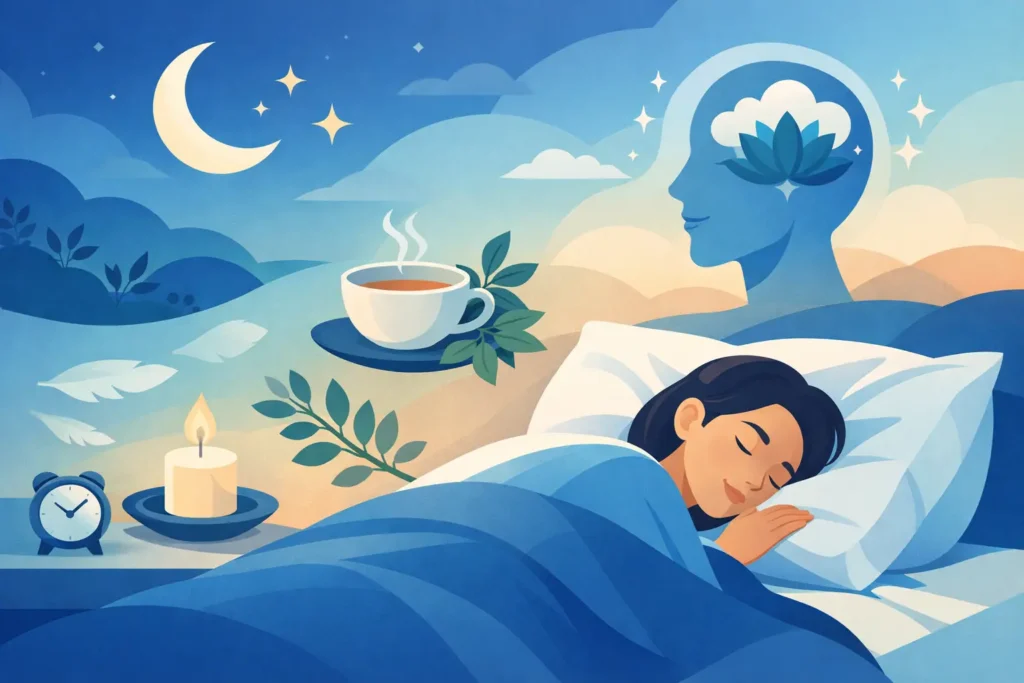
Lying awake at 2am can make everything feel bigger than it is. Work worries, family stress, a busy mind, the pressure to fall asleep quickly – it all seems louder in the dark. If you are searching for how to sleep without tablets, you are probably not looking for another vague tip. You want sleep that feels natural again, without relying on something external to knock you out.
That is a very reasonable goal. Tablets can have a place for some people, particularly in the short term and under medical guidance, but they do not always deal with the reason sleep has gone off track. Very often, insomnia is kept going by stress, anticipation, frustration and a learned pattern of being awake in bed. The good news is that these patterns can change.
Why sleep becomes a struggle
Most people do not develop sleep problems because they have suddenly forgotten how to sleep. Sleep is a natural process. The problem is usually that the mind and body have started treating bedtime as a time to stay alert.
This often begins with something understandable – stress at work, grief, a new baby, health worries, hormonal changes, travelling, or a period of anxiety. At first, sleep is disrupted for a clear reason. Then another layer appears. You start watching the clock, dreading the night, trying hard to switch off, and worrying about how you will cope tomorrow. That pressure itself becomes stimulating.
The harder you try to force sleep, the more elusive it can become. It is one of those frustrating areas where effort can backfire.
How to sleep without tablets by calming the nervous system
If your system is in a mild but persistent state of alert, sleep will feel far away. So the first shift is not forcing unconsciousness. It is helping your mind and body feel safe enough to let go.
A consistent wind-down routine helps, but it needs to be realistic. If you tell yourself that every evening must involve herbal tea, yoga, journalling and an hour of reading, you may create another standard to fail at. Better to choose two or three calming signals and repeat them. Dim the lights. Put your phone away earlier than usual. Have a warm shower. Listen to something gentle. Keep the same sequence so your brain starts recognising it.
Your bedroom matters too, but not in a perfectionist way. Cool, dark and quiet tends to help. If silence makes your thoughts louder, soft background sound may be better. If you associate your bed with tossing and turning, that association can be changed over time, but it helps to stop turning the bed into a battleground.
Stop trying so hard to sleep
This is the part many people resist, because it sounds counterintuitive. But if you are wondering how to sleep without tablets, reducing performance pressure is often essential.
Watching the clock is one of the quickest ways to increase anxiety. If possible, turn it away. Mentally calculating how many hours you have left before morning rarely helps. It simply tells your brain that there is a problem to solve.
It can also help to drop the idea that you must fall asleep immediately. Rest still has value. A calmer night, even before perfect sleep returns, is progress. When people stop fighting wakefulness so aggressively, sleep often begins to come back more naturally.
If you have been lying awake for what feels like ages, get up for a short while. Sit somewhere dimly lit and quiet. Read something undemanding or simply breathe slowly. Then go back to bed when you feel sleepier. This helps break the habit of pairing bed with frustration.
Daytime habits matter more than most people think
Night-time is only part of the picture. Sleep is affected by what happens all day.
Caffeine is an obvious example, but many people underestimate how long it lingers. If your sleep is fragile, even an afternoon coffee may be enough to interfere. Alcohol is another common trap. It can make you feel drowsy at first, but it often disrupts deeper sleep later in the night and can lead to more waking.
Then there is stimulation. If you spend the entire day in overdrive and only attempt to switch off when your head hits the pillow, your brain may not cooperate. Short pauses during the day can make a real difference. A walk outside, ten minutes without screens, slower breathing between meetings – these small moments help reduce the overall load on your nervous system.
Exercise usually supports better sleep, although timing matters. For some people, intense late-evening exercise can feel too activating. For others, it is absolutely fine. This is one of those areas where it depends on your body and your pattern.
When your thoughts are the problem
For many adults, the real sleep thief is not noise or caffeine. It is mental overactivity.
The mind starts reviewing the day, rehearsing tomorrow, revisiting awkward conversations, or imagining worst-case scenarios. Telling yourself not to think rarely works. A better approach is to give those thoughts less urgency.
Some people find it helpful to have a brief worry window earlier in the evening. Write down what is on your mind and any next steps you can take tomorrow. This is not about solving your whole life before bed. It is about showing your mind that these concerns have been noticed, so they do not need to keep circling at midnight.
Simple breathing techniques can help too, especially if your body feels tense. Slow, steady exhalations tend to calm the system. Progressive muscle relaxation can be useful if your shoulders, jaw or stomach are carrying stress. None of this needs to be complicated. The aim is not to perform perfectly. It is to shift from alertness towards ease.
How hypnotherapy can help you sleep without tablets
When sleep problems have become entrenched, insight alone is not always enough. You may know that your thoughts are unhelpful and still find yourself stuck in the same pattern. That is where hypnotherapy can be especially valuable.
Sleep is not just a conscious behaviour. It is heavily influenced by learned associations, emotional responses and unconscious habits. If bedtime has become linked with tension, dread or hypervigilance, hypnotherapy can help change that response at a deeper level.
Rather than relying on willpower, hypnotherapy works by helping the mind and body move into a calmer, more receptive state. From there, it becomes easier to reduce anticipatory anxiety, quieten racing thoughts and build a new expectation around sleep. Many people also find that addressing the underlying driver – such as stress, anxiety or a particular worry pattern – has a direct effect on how well they sleep.
At Jennie Francis Hypnotherapy, this work is approached in a practical, supportive way. The focus is not on endless analysis. It is on helping you feel safe, calm and back in control, so sleep becomes something your body can do naturally again.
Be careful with sleep advice that becomes another pressure
A lot of sleep content sounds simple until you try to live by it. No screens, no sugar, no naps, no stress, meditate twice a day, wake at the same time every morning and never get it wrong. For someone already exhausted, that can feel punishing.
Good sleep support should reduce pressure, not increase it. Structure helps, but rigidity can make things worse. If one rough night convinces you that all your progress has gone, anxiety will quickly return. Better to think in trends than perfect nights.
You are aiming for steadier sleep, not a flawless routine. Some nights will be better than others. That is normal.
When to get extra support
If poor sleep has been going on for weeks, affecting your mood, concentration, work or family life, it is worth getting support rather than hoping it will simply pass. The same applies if your sleep problems are tied to anxiety, panic, grief or a period of prolonged stress.
It is also sensible to speak to a GP if you suspect a medical issue may be involved, such as pain, breathing disturbances, menopause symptoms or another health condition. Natural support and professional assessment can sit alongside each other.
The main thing is this: struggling with sleep does not mean you are broken, weak or destined to depend on tablets forever. Very often, it means your system has learned to stay on guard. And learned patterns can be unlearned.
If you want to know how to sleep without tablets, start by taking the pressure off, calming the nervous system and addressing what is really keeping you awake. Sleep returns more easily when your mind no longer feels it has to stand watch.